
Best Dental Lab for Cosmetic Dentists
Cosmetic dentistry requires a level of precision that routine restorative work often does not demand. Dentists performing smile makeovers, porcelain veneers, implants, and full-mouth rehabilitation rely heavily on their dental laboratory for accurate margins, balanced occlusion, proper interproximal contacts, and natural aesthetics. The Art of Aesthetics works with dentists who expect restorations to meet strict clinical standards. Our laboratory focuses on cosmetic and complex restorative cases where precision and consistency are essential for both dentist and patient satisfaction.The Art of Aesthetics
Trusted by Dentists With Extremely High Standards
Many dentists who work with our laboratory are known for their meticulous attention to detail. These clinicians carefully evaluate margin accuracy, occlusion, anatomical form, and overall restoration fit before delivering cases to their patients.
One example is Dr. Brian Sibbald of Petaluma, California, who practiced dentistry for decades and served as an Associate Professor at the University of the Pacific School of Dentistry. Dr. Sibbald worked with our laboratory until he retired from both teaching and clinical practice. Known for his exacting standards, he once told us that our laboratory was among the best he had worked with during his more than forty years in dentistry. Dentists with this level of clinical precision often require a laboratory capable of consistently meeting their expectations.
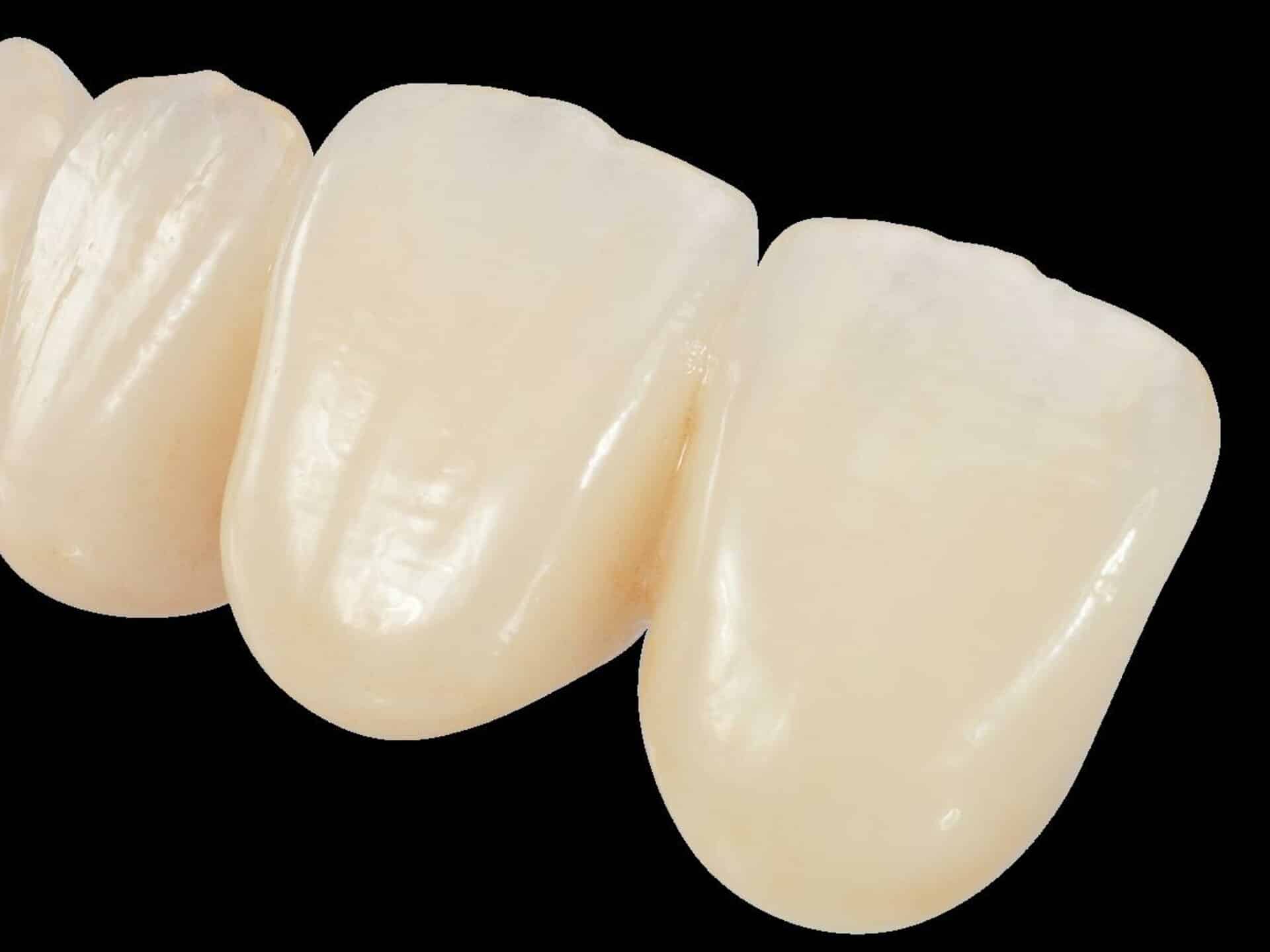
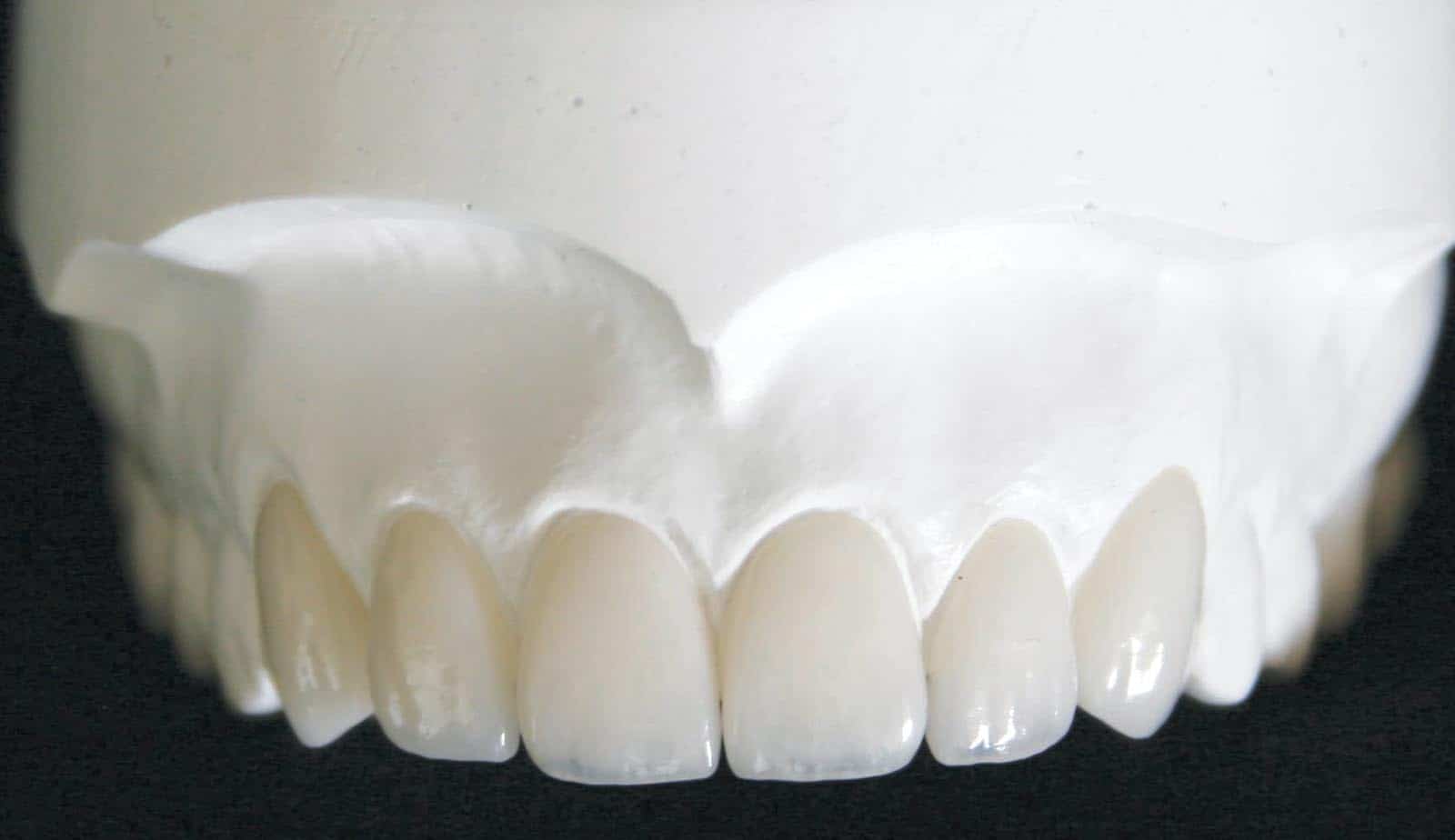
Patient-minded dentists know that margins, occlusion, interproximal contacts, and overall fit directly affect patient outcomes. A dependable dental laboratory must deliver restorations that meet strict clinical expectations.
Precision in Margins, Occlusion, and Contacts
Dentists performing complex restorative dentistry often evaluate a dental laboratory by how consistently restorations fit when delivered to the patient. Even minor discrepancies can create chairside adjustments or compromise long-term function and comfort.
At The Art of Aesthetics, restorations are carefully examined using 10× magnification microscopes and digital inspection technology during the final quality review. This level of inspection helps our technicians identify subtle discrepancies before the restoration leaves the laboratory.
Critical factors we evaluate during fabrication and final inspection include:
- Precise margin adaptation
- Balanced occlusion
- Accurate interproximal contacts
- Natural anatomical contours
By combining technician experience with magnification and digital tools, our laboratory focuses on delivering restorations that seat predictably and require minimal chairside adjustment.
Aesthetic Zirconia and High-End Restorations
Modern zirconia materials have significantly improved the way dental laboratories fabricate durable and aesthetic restorations. Earlier generations of zirconia were valued primarily for their strength, but advances in material science now allow zirconia to achieve improved translucency, natural color transitions, and lifelike anatomical contours. When properly designed, layered, and finished by experienced technicians, zirconia restorations can combine the durability of high-strength ceramics with the appearance expected in modern restorative dentistry.
Advances in Modern Zirconia Materials
For dentists performing demanding restorative procedures, zirconia has become a reliable material for crowns, bridges, implant restorations, and full-mouth rehabilitation cases. However, the success of zirconia restorations depends not only on the material itself but also on how the restoration is designed, milled, contoured, and finished within the laboratory.
Careful anatomical design, surface texture, shade blending, and occlusal harmony all contribute to restorations that appear natural in the patient’s mouth. These factors require both digital technology and technician experience to achieve predictable results.
Laboratory Craftsmanship Behind Aesthetic Zirconia
Feedback from dentists who work closely with our laboratory often reflects the importance of these technical details. One dentist from Colorado who regularly sent cases to our laboratory once remarked that a zirconia crown we fabricated was among the most aesthetic zirconia restorations he had used in his practice.
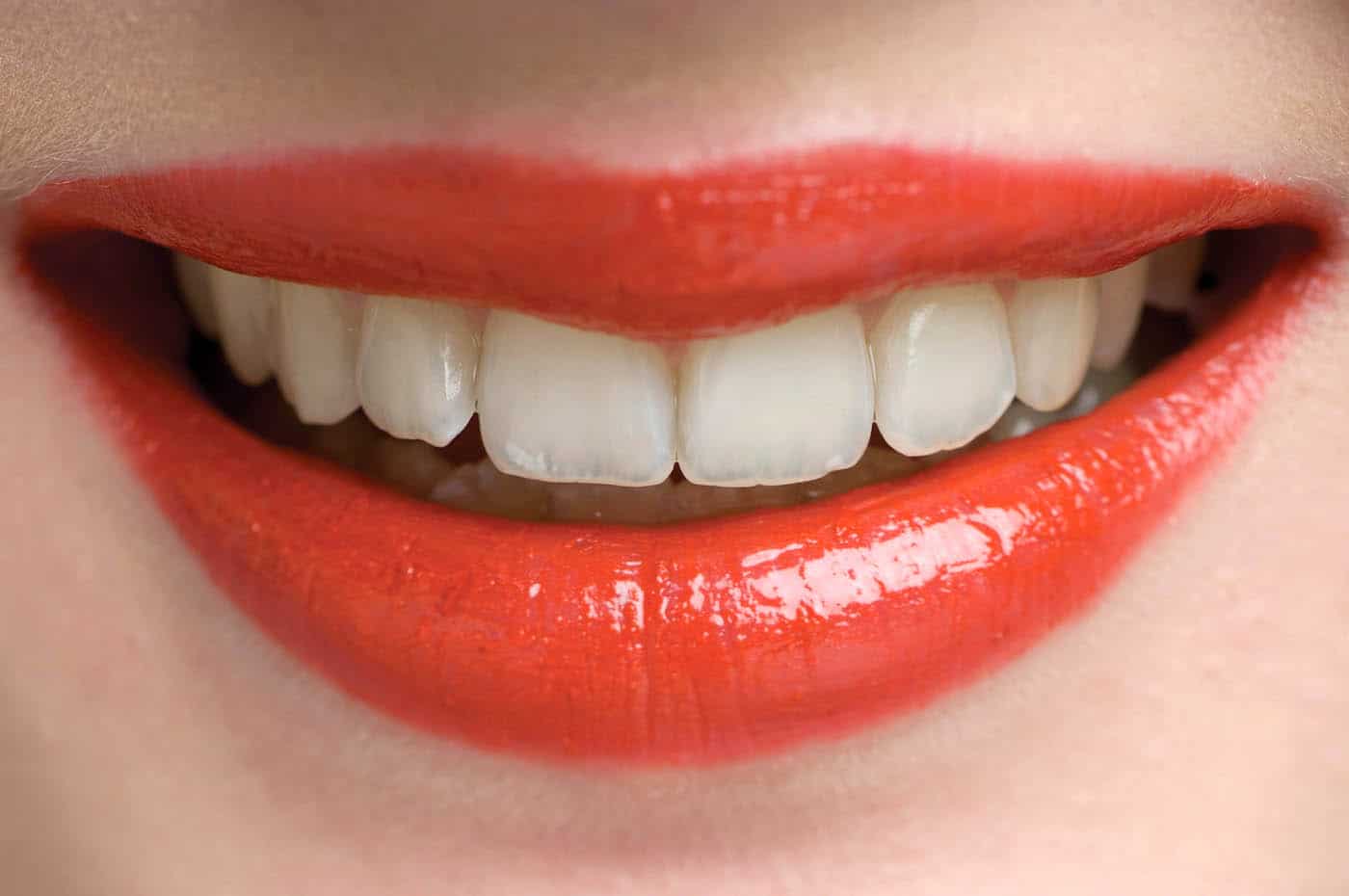
Comments like this highlight how material selection, laboratory craftsmanship, and careful finishing techniques influence the final appearance and function of a restoration. By combining advanced zirconia materials with experienced technicians and careful quality control, dental laboratories can produce restorations that meet both functional and aesthetic expectations for modern restorative dentistry.
A Cosmetic Dental Laboratory for Demanding Cases
Cosmetic and complex restorative dentistry requires careful planning long before the final restoration is fabricated. For dentists performing smile makeovers, implant restorations, or full-mouth rehabilitation, the dental laboratory becomes an essential clinical partner in the treatment planning process.
At The Art of Aesthetics, we encourage dentists to involve our technicians early in the case discussion whenever possible. Pre-planning conversations between the dentist and our ceramists allow both teams to review treatment objectives, evaluate aesthetic expectations, and determine the most appropriate materials and design approach for the case. Early communication helps prevent potential issues and improves predictability throughout the treatment process.
Diagnostic Wax-Up and Case Planning
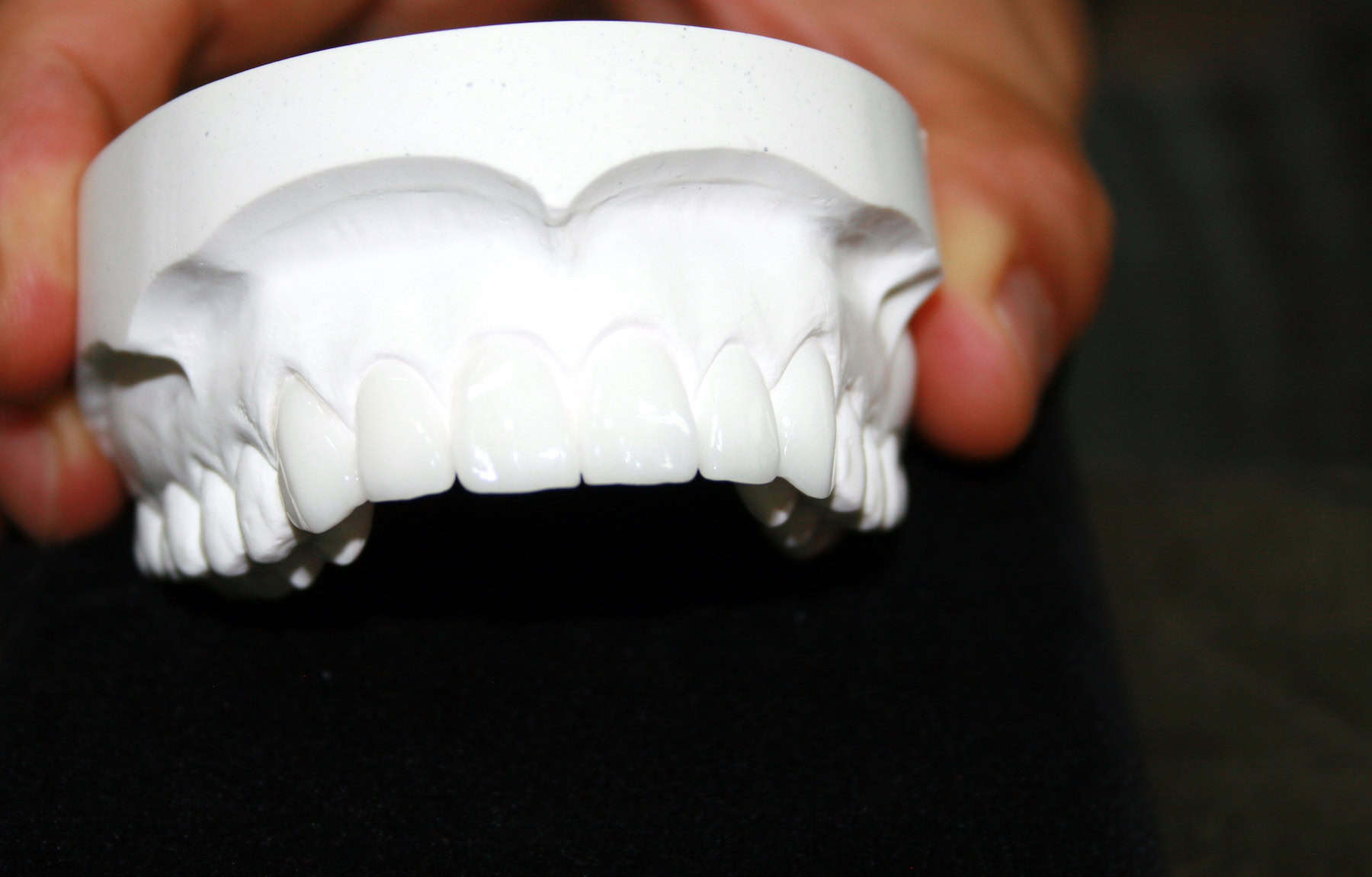
For many complex cases, we recommend beginning with a diagnostic wax-up or digital design preview. A diagnostic wax-up allows both the dentist and patient to visualize the proposed treatment outcome before final restorations are fabricated. It also allows our ceramists to evaluate tooth proportions, smile design, occlusion, and functional relationships between the restorations.
Diagnostic wax-ups are particularly valuable for multi-unit cosmetic cases, veneers, implant restorations, and full-mouth rehabilitation treatments. By planning the case carefully at the beginning, both the dentist and laboratory can work toward a predictable and aesthetic final result.
Collaboration Between Dentist and Ceramist
Successful cosmetic dentistry often depends on close collaboration between the dentist and the ceramist. Communication regarding shade, translucency, surface texture, occlusal scheme, and anatomical design helps ensure the final restorations meet both clinical and aesthetic expectations.
Dentists who value precision and careful planning often develop long-term relationships with laboratories that understand the technical and artistic demands of complex restorative dentistry. Through consistent communication and collaboration, both the dental office and laboratory can deliver predictable outcomes for demanding restorative cases.
Consistency Matters More Than Occasional Success
Producing one successful dental restoration is not particularly difficult for most dental laboratories. The true measure of a laboratory’s capability is the ability to deliver consistent results across many different cases, materials, and clinical situations. Dentists who perform complex restorative or cosmetic procedures quickly recognize that long-term success depends on predictable outcomes rather than occasional excellent results.
A dependable dental laboratory must consistently deliver restorations with accurate margins, balanced occlusion, proper interproximal contacts, and natural anatomical form. Achieving this level of consistency requires technician experience, disciplined laboratory workflow, and clear communication between the dental office and the laboratory.
Why Consistency Matters in Restorative Dentistry
Dentists performing advanced restorative or cosmetic treatments often evaluate a dental laboratory based on how reliably restorations fit when delivered to the patient. A restoration that requires significant chairside adjustment can increase treatment time and create unnecessary frustration for both dentist and patient.
For this reason, many patient-focused dentists prefer laboratories capable of producing restorations that seat predictably and require minimal adjustment. Consistency in margin accuracy, occlusal harmony, and anatomical contour allows dentists to deliver restorations efficiently while maintaining confidence in the laboratory’s work.
Predictable Results Across Complex Cases
A laboratory’s ability to produce predictable results becomes even more important in complex restorative cases. Treatments involving multiple veneers, implant restorations, bridges, or full-mouth rehabilitation require careful coordination between the dentist and laboratory technician.
When restorations across multiple units must match in shade, anatomy, and occlusion, consistency becomes essential. Laboratories capable of delivering predictable results across these demanding cases often become trusted long-term partners for dentists performing complex restorative dentistry.
Evaluate a Dental Laboratory With Real Cases
Dentists considering a new dental laboratory often evaluate the lab’s capabilities by sending a small group of real clinical cases. Rather than starting with a routine single restoration, many experienced clinicians send five to ten cases involving different types of restorations to better understand how consistently the laboratory performs.
Submitting a variety of cases allows dentists to evaluate several important factors, including margin accuracy, occlusal balance, interproximal contacts, anatomical contour, and overall restoration fit. Different restorations—such as crowns, bridges, veneers, or implant cases—can reveal how well a laboratory handles various clinical situations.
By sending multiple types of cases, dentists can evaluate how consistently the laboratory performs across different restorative treatments.
Case Evaluation and Feedback From Our Ceramists
At the same time, The Art of Aesthetics also evaluates the impressions or digital scans submitted with each case. Our technicians carefully review margin visibility, impression accuracy, occlusal records, and digital scan quality before fabrication begins.
When appropriate, our ceramists provide feedback to help the dental office refine impression techniques, improve digital scanning workflows, and ensure margins and occlusion are captured clearly. This collaborative evaluation allows dentists to fine-tune their clinical workflow while also performing a meaningful comparison when testing a new dental laboratory.
Through this process, both the dentist and the laboratory can better understand each other’s expectations, often leading to stronger long-term partnerships and more predictable restorative results.
FAQ Best Dental Lab for Cosmetic Dentists
How can a dentist evaluate a new dental laboratory?
Many dentists evaluate a new dental laboratory by sending five to ten cases involving different types of restorations, rather than a single crown. Using crowns, bridges, veneers, or implant cases allows the dentist to observe margin accuracy, occlusal balance, interproximal contacts, shade matching, and overall restoration fit. Testing several types of restorations helps determine whether the laboratory can deliver consistent results across different clinical situations.
Why do dentists prefer long-term relationships with a dental lab?
Dentists often prefer long-term relationships with a dental laboratory because consistency improves over time. As technicians become familiar with the dentist’s preparation style, occlusal scheme, and aesthetic preferences, communication becomes more efficient and restorations become more predictable.
What makes a dental laboratory suitable for cosmetic dentistry?
A dental laboratory suitable for cosmetic dentistry must demonstrate consistent margin accuracy, natural aesthetics, proper occlusion, and precise interproximal contacts. Cosmetic cases often require diagnostic wax-ups, detailed communication between dentist and ceramist, and careful material selection to achieve predictable aesthetic results.
Why are diagnostic wax-ups important for cosmetic dental cases?
Diagnostic wax-ups allow the dentist, laboratory technician, and patient to visualize the proposed restoration before the final restoration is fabricated. Wax-ups help evaluate tooth proportions, smile design, occlusion, and function, allowing adjustments to be made during the planning stage rather than after fabrication.
Can a dental laboratory help improve impression or scan quality?
Yes. When evaluating cases, experienced dental laboratories often review impressions or digital scans and provide feedback regarding margin clarity, occlusal records, or scan accuracy. This feedback helps dentists refine their clinical workflow and improves predictability for future restorative cases.
What restorations are typically fabricated by high-end dental laboratories?
High-end dental laboratories commonly fabricate cosmetic porcelain veneers, implant restorations, bridges, zirconia restorations, porcelain fused to metal restorations, and full-mouth rehabilitation cases that require careful design and technician craftsmanship.