
ZIRCONIA CROWNS
Zirconia crowns are one of the most durable and widely used restorations in modern restorative dentistry. Made from high-strength zirconium dioxide ceramic, zirconia crowns provide exceptional fracture resistance while maintaining natural tooth aesthetics. At The Art of Aesthetics dental laboratory, zirconia restorations are fabricated using advanced CAD-CAM technology and refined by experienced ceramists to ensure precise fit, strength, and natural appearance.The Art of Aesthetics
What Are Zirconia Crowns
Zirconia crowns are dental restorations made from zirconium dioxide, a highly durable ceramic material widely used in modern restorative dentistry. These crowns are known for their exceptional strength, biocompatibility, and natural tooth-like appearance.
Compared with traditional porcelain-fused-to-metal restorations, zirconia crowns provide improved durability while maintaining excellent aesthetics. When properly designed and fabricated using advanced CAD-CAM technology, zirconia crowns can solve many of the limitations previously associated with restorative materials.
However, not all zirconia crowns are the same. In many dental laboratories, zirconia crowns are simply milled by machines. At The Art of Aesthetics, each restoration is carefully finished and refined by experienced dental ceramists to ensure precision, strength, and natural aesthetics.
CAD-CAM Zirconia Products
- PFZ – Porcelain fused to a zirconia framework or zirconia layered with ceramic powder
- FZC – Full zirconia crowns, aka BruxZir, monolithic zirconia, or CAD-CAM zirconia
- Zirconia implant abutments – customized, patient-specific implant abutments.
Digital Dentistry Workflow
Digital dentistry has advanced significantly in recent years. Modern intraoral scanners now provide highly accurate digital impressions, allowing dental laboratories to design and fabricate zirconia crowns with exceptional precision.
At The Art of Aesthetics dental laboratory, we support a fully integrated digital dentistry workflow. Dentists can easily connect their intraoral scanner to our laboratory and transmit digital impressions instantly. Once connected, simply select “The Art of Aesthetics” from your scanner system to send cases directly to our laboratory.
To ensure accurate case communication, we recommend notifying our team whenever a digital case is submitted. If additional instructions or detailed notes are required, sending them separately by email helps ensure that your dedicated ceramist receives all necessary information.
Digital files are suitable for most zirconia crown restorations and allow faster turnaround times while maintaining high precision.
Compatible Digital Intraoral Scanners
Our dental laboratory accepts digital files from most major intraoral scanner systems, including:
- 3Shape TRIOS (TRIOS Ready Laboratory)
- Align iTero (caLABrate Partner)
- 3M True Definition Scanner
- Sirona CEREC inLab Connect
- Medit Intraoral Scanner
- Open STL digital file formats
Send Digital Cases to Our Zirconia Dental Laboratory
When Dentists Should Use Zirconia Crowns
Zirconia crowns are commonly used when strength, durability, and long-term reliability are the primary clinical priorities. Because zirconia is one of the strongest ceramic materials used in dentistry, it is particularly suitable for restorations that must withstand heavy occlusal forces.
Dentists frequently choose zirconia crowns for posterior teeth, where chewing pressure is highest. Monolithic zirconia restorations are especially useful for patients with bruxism or heavy bite forces, as the material offers excellent fracture resistance compared with many other ceramic restorations.
Posterior restorations, bruxism cases, and implant-supported crowns are among the most common clinical situations where zirconia crowns provide superior strength and durability.
Zirconia crowns may also be appropriate when minimal tooth reduction is desired, since the material maintains high strength even at relatively thin dimensions. In implant-supported restorations, zirconia is often selected for its durability and biocompatibility.
However, zirconia may not always be the ideal choice for highly aesthetic anterior cases. In situations where maximum translucency and bonding strength are required, materials such as lithium disilicate (IPS e.max) may be preferred. For this reason, the selection of zirconia crowns should always consider the clinical indication, aesthetic requirements, and functional demands of the restoration.
Conventional Impressions and Case Submission
While digital dentistry continues to grow, many dental practices still rely on traditional impressions. The Art of Aesthetics dental laboratory accepts conventional impressions as well as digital files, allowing dentists to work with the method that best fits their workflow.
Dentists can send traditional impressions to our laboratory for zirconia crowns, implant restorations, and other cosmetic cases. Each case is handled by an experienced technician to ensure consistent communication, accurate fabrication, and predictable results.
Fast Turnaround from a Zirconia Dental Laboratory
Waiting weeks for simple restorations is frustrating for both dentists and patients. At The Art of Aesthetics dental laboratory, most single-unit zirconia crowns fabricated from digital impressions are completed within a few days. Regular clients may also benefit from convenient pickup and delivery services without additional shipping costs.
Worldwide Dental Laboratory Services
Although our laboratory is based in California, we partner with dentists across the United States and internationally. Whether your practice is located locally or overseas, our team is prepared to support your cases with reliable zirconia restorations and responsive communication.
Start Your First Case
Dentists interested in working with our zirconia dental laboratory can easily begin by contacting our team through our online contact form. We will guide you through case submission, digital connections, and shipping instructions so your practice can quickly start sending cases to our laboratory.
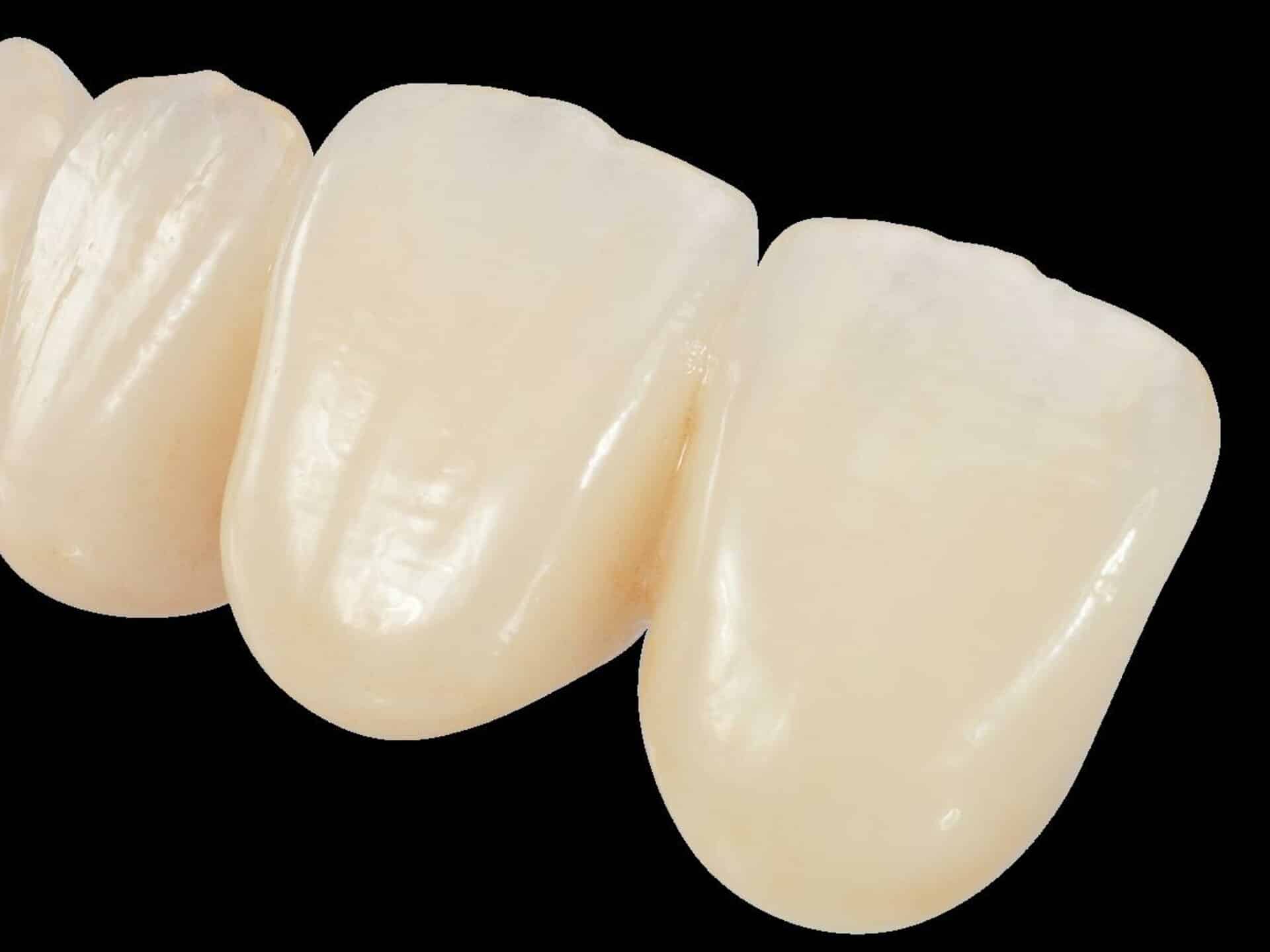
Zirconia Crown Preparation Guidelines
Proper tooth preparation plays an important role in the long-term success of zirconia crown restorations. Because zirconia is a highly durable ceramic material, it allows dentists to prepare teeth conservatively while still maintaining excellent strength and fracture resistance.
In most cases, zirconia crowns require less reduction than many traditional ceramic restorations. Adequate occlusal clearance and smooth margin design help ensure precise fit and long-term durability. Rounded internal line angles and well-defined margins are typically recommended to support accurate CAD-CAM fabrication.
When zirconia crowns are prepared correctly, dentists can achieve restorations that combine strength, longevity, and predictable clinical performance.
Typical Zirconia Crown Reduction
While preparation requirements may vary depending on the zirconia material used, many restorations follow general guidelines such as:
- Occlusal reduction: approximately 1.0–1.5 mm
- Axial reduction: approximately 0.8–1.2 mm
- Margin design: chamfer or shoulder
- Rounded internal line angles recommended.
These preparation parameters help ensure accurate milling, proper crown seating, and long-term durability.
Zirconia Crown Strength and Translucency
Zirconia crowns are widely recognized for their exceptional strength and durability. The material used in zirconia restorations, zirconium dioxide, provides high fracture resistance, making it suitable for posterior restorations and patients with heavy occlusal forces. Because of this mechanical strength, zirconia crowns are often used in situations where long-term reliability is a primary concern.
Relationship Between Strength and Translucency
One important characteristic of zirconia is the relationship between its strength and translucency. In general, zirconia materials with higher translucency offer improved aesthetics but slightly reduced fracture resistance. Conversely, zirconia with higher density and opacity provides greater mechanical strength but may appear less translucent.
Modern zirconia materials are designed to balance these two properties. Advances in material science and manufacturing techniques have allowed dental laboratories to produce zirconia crowns that maintain reliable strength while offering improved aesthetic translucency compared with earlier generations of zirconia restorations.
How to Bond Zirconia Crowns
Recommended Cementation Protocol for Zirconia Crowns
Bonding zirconia crowns differs from bonding many other ceramic restorations because zirconia does not respond to traditional acid etching techniques used for materials such as lithium disilicate. Instead, proper surface preparation and the use of compatible primers or cements are important to achieve reliable retention.
Before cementation, the internal surface of the zirconia crown is typically cleaned and lightly air-abraded to improve mechanical retention. Many clinicians then apply an MDP-containing primer or adhesive system designed specifically for zirconia-based restorations. These materials promote chemical interaction between the zirconia surface and the cement.
Recommended Cement Types for Zirconia Crowns
For most zirconia crowns, dentists commonly use resin-modified glass ionomer cement or adhesive resin cement, depending on the clinical situation and preparation design. Adequate isolation, proper seating pressure, and removal of excess cement are essential steps to ensure long-term stability.
When the restoration is properly prepared and cemented, zirconia crowns provide excellent strength, durability, and reliable clinical performance for both posterior and implant-supported restorations.
Advantages of Zirconia Crowns
Zirconia crowns offer several advantages that make them a popular choice in modern restorative dentistry. One of the most significant benefits is their exceptional strength and fracture resistance, making them particularly suitable for posterior restorations and patients with heavy occlusal forces or bruxism.
Biocompatibility and Durability
Another advantage is the biocompatibility of zirconia. The material is well tolerated by surrounding gum tissue and has a low risk of causing allergic reactions, which can sometimes occur with metal-based restorations. Zirconia crowns also exhibit excellent wear resistance, helping maintain long-term stability under normal chewing forces.
With advances in digital dentistry and CAD-CAM technology, zirconia crowns can now be fabricated with high precision and consistent quality. Modern zirconia materials also offer improved translucency, allowing restorations to achieve a more natural appearance while still maintaining adequate strength.
Because of these properties, zirconia crowns are widely used for posterior crowns, implant-supported restorations, and cases requiring durable long-term performance.
Zirconia Crowns in Modern Restorative Dentistry
Zirconia is one of the newest materials widely adopted in restorative dentistry. Long before its dental use, zirconium dioxide ceramics were utilized in high-technology industries such as aerospace, medical devices, and jewelry because of their exceptional strength and durability.
Historically, the dental industry could not easily adopt zirconia due to the high cost of materials and the limitations of early digital technology. Precision scanning, accurate crown margin detection, and reliable milling systems were not yet available. Today, advancements in digital dentistry—including high-resolution scanners, precise milling systems, and 3D model printing—allow dental laboratories to fabricate zirconia crowns with significantly improved accuracy.
Characteristics of Zirconia Crowns
Zirconia crowns possess several unique material properties that influence their clinical use. Understanding these characteristics helps dentists determine when zirconia is the most appropriate restorative material.
Zirconia Shade and Aesthetic Limitations
Zirconia is typically manufactured in a limited range of base shades. Because every patient has a unique natural tooth color, achieving an ideal shade match may require additional ceramic layering or staining.
Some manufacturers produce higher-translucency zirconia to improve aesthetics. However, increased translucency often reduces the overall strength of the material. As a result, there is typically a balance between aesthetics and mechanical strength when selecting zirconia for restorations.
Bonding Characteristics of Zirconia
Zirconia crowns behave differently from many other ceramic materials. Due to their dense crystalline structure, zirconia restorations are highly radiopaque and limit light transmission.
Because zirconia cannot be etched with traditional hydrofluoric acid like lithium disilicate ceramics, conventional bonding techniques are less effective. Dentists often rely on mechanical retention and specialized primers containing MDP to improve adhesion.
Surface Etching Limitations
Unlike porcelain-based materials, zirconia surfaces are highly resistant to chemical etching. While air abrasion or specialized primers can improve surface retention, zirconia does not bond as easily as etchable ceramics such as lithium disilicate or porcelain-fused-to-metal restorations.
For this reason, zirconia crowns may not be the ideal solution for every restorative situation.
Zirconia Crowns for Anterior Restorations
While zirconia offers exceptional strength, highly aesthetic anterior restorations may benefit from alternative ceramic materials. Lithium disilicate restorations, such as IPS e.max, often provide better translucency and improved bonding capabilities for anterior teeth.
However, zirconia may still be preferred in situations where fracture resistance and durability are the primary clinical considerations.
Strength vs Translucency in Zirconia
One important material principle is that the strength of zirconia is inversely related to its translucency. As translucency increases to improve aesthetics, the mechanical strength of the zirconia material typically decreases.
3D Model Milling and Zirconia Crown Fabrication
At The Art of Aesthetics dental laboratory, we fabricate zirconia crowns using advanced digital dentistry workflows. Dentists can submit digital impressions, and our laboratory can mill precise 3D working models in-house to support accurate crown fabrication.
Although some dentists believe milling a 3D model may be unnecessary, we strongly recommend it for improved accuracy and fit. Physical models allow our technicians to verify margins, interproximal contacts, and occlusion before finalizing the restoration. In many cases, investing in a milled model helps reduce chairside adjustments and remakes.
Why 3D Models Improve Zirconia Crown Accuracy
Even with modern digital scanners, working models remain valuable in restorative dentistry. A milled or printed 3D model allows technicians to simulate the patient’s occlusion, margin lines, and interproximal contacts with greater confidence.
This additional verification step often leads to more predictable seating and fewer adjustments when the crown is delivered to the patient.
Dedicated Dental Ceramists for Consistent Results
One of the most important factors in laboratory success is communication between the dentist and the technician. At The Art of Aesthetics, each client works with a dedicated ceramist who becomes familiar with the dentist’s clinical preferences and aesthetic expectations.
Consistent Communication Between Dentist and Laboratory
Poor communication between a dental practice and its laboratory can lead to inaccurate restorations and unnecessary delays. Assigning a dedicated ceramist helps ensure that instructions are clearly understood and that restorations are fabricated according to the dentist’s specific preferences.
Worldwide Zirconia Dental Laboratory Services
Although The Art of Aesthetics is located in Santa Rosa, California, our zirconia dental laboratory supports dentists both nationally and internationally. Dental practices from cities such as Zürich, Milan, Madrid, Vienna, Paris, Amsterdam, London, Dublin, and Dubai regularly submit cases through our digital workflow.
Global Digital Case Submission
Our laboratory accepts digital impressions from most major intraoral scanners and open STL file formats. Dentists can easily connect their scanner system to our laboratory and transmit digital files directly for zirconia crown fabrication.
Regular clients may also benefit from convenient shipping options for conventional impressions when digital scanning is not available.
Reasons to Partner with Our Zirconia Dental Laboratory
Dentists across the United States and internationally rely on The Art of Aesthetics for high-quality zirconia restorations and consistent laboratory support.
Experienced Dental Technicians
Our technicians are highly trained and experienced in fabricating complex restorations including zirconia crowns, implant restorations, bridges, and cosmetic veneers.
Proven Laboratory Performance
Many dentists trust our laboratory because of our reliable turnaround times, consistent quality, and predictable restorative results.
Client-Focused Approach
Our team works closely with dental practices to ensure restorations meet both functional and aesthetic expectations. We view ourselves as an extension of the dental practice we serve.
Dedicated Ceramist Support
Each client works with a dedicated ceramist who understands the dentist’s clinical preferences and aesthetic goals.
Start Your First Case
Dentists interested in working with our zirconia dental laboratory can begin by completing a laboratory slip and new client form through our website. Our team will assist with digital connections, case submission, and shipping instructions.
Zirconia Crown vs IPS E-max
Zirconia crowns and lithium disilicate restorations (commonly known as IPS e.max) are two of the most widely used ceramic materials in modern restorative dentistry. While both materials provide excellent aesthetics and durability, they are designed for different clinical situations.
Zirconia crowns are known for their exceptional strength and fracture resistance. Because of this durability, they are frequently used for posterior restorations, implant-supported crowns, and cases involving heavy occlusal forces or bruxism. Modern zirconia materials also offer improved translucency, allowing dentists to achieve better aesthetics than earlier generations of zirconia.
Lithium disilicate restorations such as IPS e.max are often preferred for anterior restorations where maximum translucency and aesthetic integration with natural teeth are important. E.max crowns can also be etched and bonded to tooth structure, creating a strong adhesive bond that can be advantageous in certain clinical situations.
When to Choose Zirconia or E-max
In general, zirconia crowns are selected when strength and durability are the primary considerations, particularly in posterior teeth. E.max restorations are often chosen for highly aesthetic anterior cases where translucency and bonding capability are critical.
Both materials play an important role in restorative dentistry, and the appropriate choice depends on the clinical indication, aesthetic requirements, and functional demands of the restoration.
Full Coverage Zirconia Crowns and Bridges
Solid zirconia crowns are most commonly used for full-coverage posterior restorations. Because of their exceptional strength and durability, they provide a reliable alternative to traditional full gold crowns, which can be significantly more expensive.
While gold crowns offer excellent longevity due to their soft and malleable properties, zirconia crowns provide superior strength and modern ceramic aesthetics. In many cases, zirconia restorations are used as frameworks layered with porcelain, combining the strength of zirconia with improved translucency, aesthetics, and shock absorbency.
For highly aesthetic anterior restorations, materials such as lithium disilicate (IPS e.max) are often preferred.
IPS e.max offers excellent bonding capability and lifelike translucency, making it suitable for veneers and anterior crowns. Zirconia, on the other hand, is frequently selected when durability and fracture resistance are the primary clinical considerations.
Understanding the strengths and limitations of each material allows dentists to choose the most appropriate restorative option for each patient.