
Advanced Digital Dentistry
Dental Lab Digital Workflow
Dental lab digital workflow integrating advanced intraoral scanning, double-cord retraction for margin exposure, and precise scan path control to capture complete preparation data. CAD/CAM design focuses on emergence profile, occlusion, and material thickness, followed by milling and 3D model verification to ensure marginal accuracy, contact integrity, and predictable clinical outcomes.
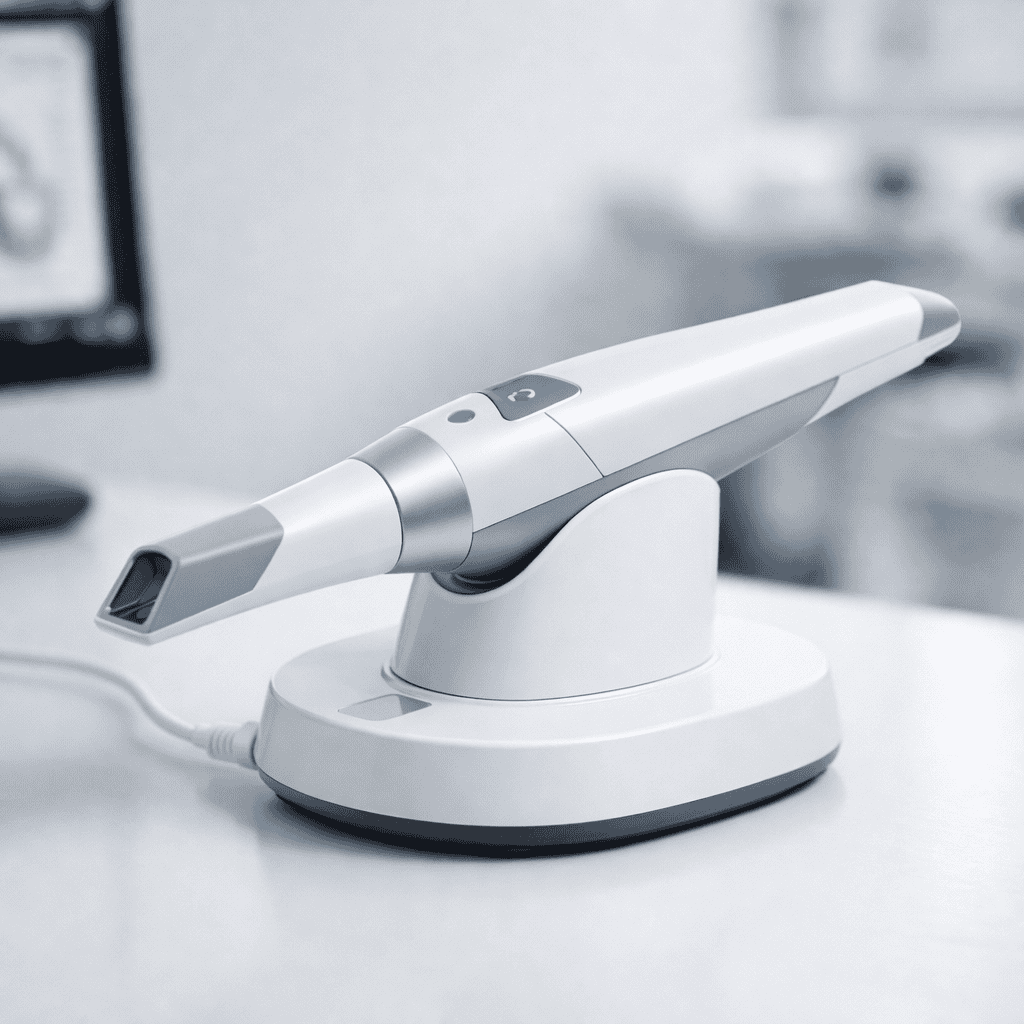
How to Capture Accurate Digital Impressions
Accurate digital impressions depend on complete margin visualization, controlled soft tissue, and disciplined scanning technique. Margin clarity is non-negotiable—subgingival or poorly exposed margins will not be captured, regardless of scanner capability. Proper tissue management using retraction (preferably double-cord in many cases) is essential to create lateral and vertical space for optical access.
Moisture control is equally critical. Saliva, blood, and crevicular fluid interfere with data acquisition and lead to incomplete or distorted margins. A dry, stable field must be maintained throughout scanning.
Scan path and angulation directly affect data stitching and accuracy. The operator should follow a consistent path—typically occlusal, then lingual, then buccal—while maintaining steady movement and correct focal distance. Abrupt changes in angulation or speed introduce stitching errors and data gaps.
Ultimately, scanners do not compensate for poor technique. Precision in preparation exposure and scanning execution determines whether the digital impression is clinically usable or fundamentally compromised.
Critical Factors for Margin Capture
Double-Cord Technique for Margin Exposure
The double-cord retraction technique is a predictable method to expose preparation margins, particularly for subgingival or equigingival cases. Single or no cord often fails because it provides limited lateral displacement and does not adequately control sulcular fluid. This results in partial margin visibility and compromised digital capture.
The first (smaller) cord is placed to control crevicular fluid and protect the junctional epithelium. The second (larger) cord creates lateral tissue displacement, opening the sulcus and allowing clear optical access to the margin. When properly executed, the tissue is displaced rather than collapsing back over the margin during scanning.
This distinction is critical. Tissue collapse leads to incomplete margin data, forcing the laboratory to estimate margins or resulting in open margins clinically. Proper retraction directly impacts marginal fit, crown adaptation, and long-term restoration success. In digital workflows, margin exposure is not optional—it is the foundation of accuracy.
Why Single or No Cord Often Fails
Single or no cord provides limited displacement and poor fluid control, often resulting in incomplete margin exposure. This leads to compromised scans and increased risk of marginal inaccuracies.
Tissue Displacement vs Tissue Collapse
Effective retraction laterally displaces tissue and maintains space. Inadequate technique allows tissue to collapse over the margin, preventing accurate data capture during scanning.
Impact on Marginal Fit and Adaptation
Clear margin exposure ensures precise digital capture, improving crown fit and adaptation. Poor retraction leads to open margins, adjustments, or remakes, affecting clinical outcomes.
Scanner Technique and Common Errors
Digital impression accuracy is highly dependent on scanning discipline and environmental control. Most errors are not caused by the scanner itself, but by technique, moisture, and improper data acquisition. Understanding how scanners stitch images, detect surfaces, and process data is critical to avoiding distortions. Small errors during scanning often translate into significant clinical discrepancies in marginal fit, contacts, and occlusion. Consistent scan path, controlled angulation, and a clean, dry field are essential to producing reliable datasets. Operators must recognize when data is incomplete or distorted and correct it immediately rather than relying on software interpolation. A precise scanning protocol reduces remakes, minimizes chairside adjustments, and ensures predictable restorative outcomes.
Stitching Errors from Inconsistent Scan Path
Irregular scan movement or abrupt direction changes disrupt image stitching, leading to distortions in occlusion and arch form. Maintain a smooth, continuous scan path to prevent data mismatch.
Saliva and Moisture Contamination
Saliva, blood, or reflective surfaces interfere with optical capture. Moisture creates noise in the scan, resulting in incomplete or distorted data, especially at the margins.
Incomplete Margin Data Capture
Failure to fully expose and scan the preparation margin leads to missing or inaccurate margin definition. This forces estimation during design and increases risk of poor fit.
Over-Scanning and Data Redundancy
Excessive scanning over the same area can introduce stitching conflicts and data noise. More data does not equal better accuracy—controlled scanning is essential.
Under-Scanning and Missing Surfaces
Insufficient coverage results in voids, particularly in interproximal areas or deep preparations. Missing data compromises contacts, occlusion, and restoration integrity.
Improper Scanner Angulation and Distance
Incorrect angulation or focal distance reduces scan accuracy. Maintaining optimal positioning ensures consistent data capture and prevents distortions across the digital impression.
Limitations of Digital Scanning in Undercuts and Deep Margin Preparations
Intraoral scanners rely on optical line-of-sight data capture and cannot reliably record areas that are obscured by undercuts, steep axial walls, or deep subgingival margins. When light cannot directly reach the preparation surface, the scanner will either interpolate missing data or leave voids, leading to inaccurate margin definition.
Deep preparations extending subgingivally further compromise scan accuracy due to soft tissue interference, moisture, and limited access. Even with advanced scanners, data stitching in these regions often introduces distortion, particularly at the margin where precision is most critical.
For this reason, proper tissue management is essential. Techniques such as double-cord retraction, hemostasis control, and adequate isolation are required to expose the full margin circumferentially. Without clear margin visualization, the resulting digital model may appear complete but lack true geometric accuracy.
In cases with significant undercuts or deep margins, clinicians should critically evaluate scan data and consider whether the preparation design or clinical conditions are suitable for a fully digital workflow.
Original Scan Bodies for Implants
Digital implant workflows depend on precise implant position transfer. Using original manufacturer scan bodies is critical to ensure accurate geometry, correct library matching, and proper alignment within CAD software. Generic scan bodies often introduce deviations due to dimensional inconsistencies, tolerance stacking, or incomplete library compatibility.
For systems such as Straumann, the original scan body is designed to match the exact implant connection and corresponding digital library. This ensures accurate emergence profile design, correct implant angulation, and proper seating of the final restoration. In contrast, generic components may lead to misfit, rotational discrepancies, or occlusal errors that require adjustment or remake.
Consistency in implant workflows starts with authentic components. Using original scan bodies reduces design uncertainty, improves fit, and minimizes chairside correction. It is not a preference—it is a requirement for predictable digital implant outcomes and efficient case execution.
Why 3D Models Improve Accuracy
While fully digital, model-free workflows are marketed as efficient, they often remove a critical verification step. 3D printed models provide a physical reference to validate contacts, occlusion, and overall fit before delivery. Digital data alone can appear accurate on screen but may contain minor distortions that become clinically significant. A printed model allows technicians to confirm interproximal contact strength, occlusal relationships, and seating of the restoration under real conditions. This reduces reliance on chairside adjustments and minimizes remakes. Over time, incorporating model verification improves consistency across cases, especially for multi-unit and full-arch restorations. For high-precision work, 3D printed models are not an extra step—they are a control measure that enhances predictability and long-term efficiency in a digital dental lab workflow.
Verification of Contacts and Occlusion
3D printed models allow physical validation of interproximal contacts and occlusion, ensuring restorations seat properly and function as intended before delivery to the clinic.
Reduction in Chairside Adjustments
By confirming fit and contacts in the lab, 3D models significantly reduce chairside adjustments, saving clinical time and improving patient experience and efficiency.
Consistency Compared to Model-Free Workflows
Model-free workflows rely solely on digital data, which may contain undetected errors. Printed models provide a repeatable verification step, improving long-term consistency and reliability.
CAD Design in a Digital Dental Lab Workflow
CAD design is where digital data is translated into functional restorations. Even with accurate scans, poor design decisions will compromise fit, function, and longevity. The technician must balance biology, mechanics, and material limitations when designing restorations. Emergence profile must support soft tissue without over-contouring, while occlusal design must align with the patient’s functional scheme. Contact strength must be calibrated to prevent open contacts or excessive pressure, and material thickness must meet minimum requirements to avoid fracture. CAD software provides tools, but not judgment—design quality depends on understanding clinical intent and material behavior. A disciplined CAD workflow ensures restorations are not only digitally accurate, but clinically predictable and durable.
Emergence Profile and Soft Tissue Support
A proper emergence profile supports gingival health and aesthetics. Over- or under-contouring can lead to plaque accumulation, inflammation, or compromised tissue response around the restoration.
Occlusal Scheme and Functional Design
Occlusion must be designed to match the patient’s functional pattern. Improper occlusal design leads to high spots, adjustments, and potential long-term failure of the restoration.
Contact Strength and Interproximal Fit
Contacts must be tight enough to prevent food impaction but not excessive. Improper contact strength results in open contacts or difficulty seating the restoration clinically.
Material Thickness and Structural Integrity
Each material has minimum thickness requirements. Insufficient thickness increases fracture risk, while excessive bulk affects occlusion and fit. Proper design balances strength and function.
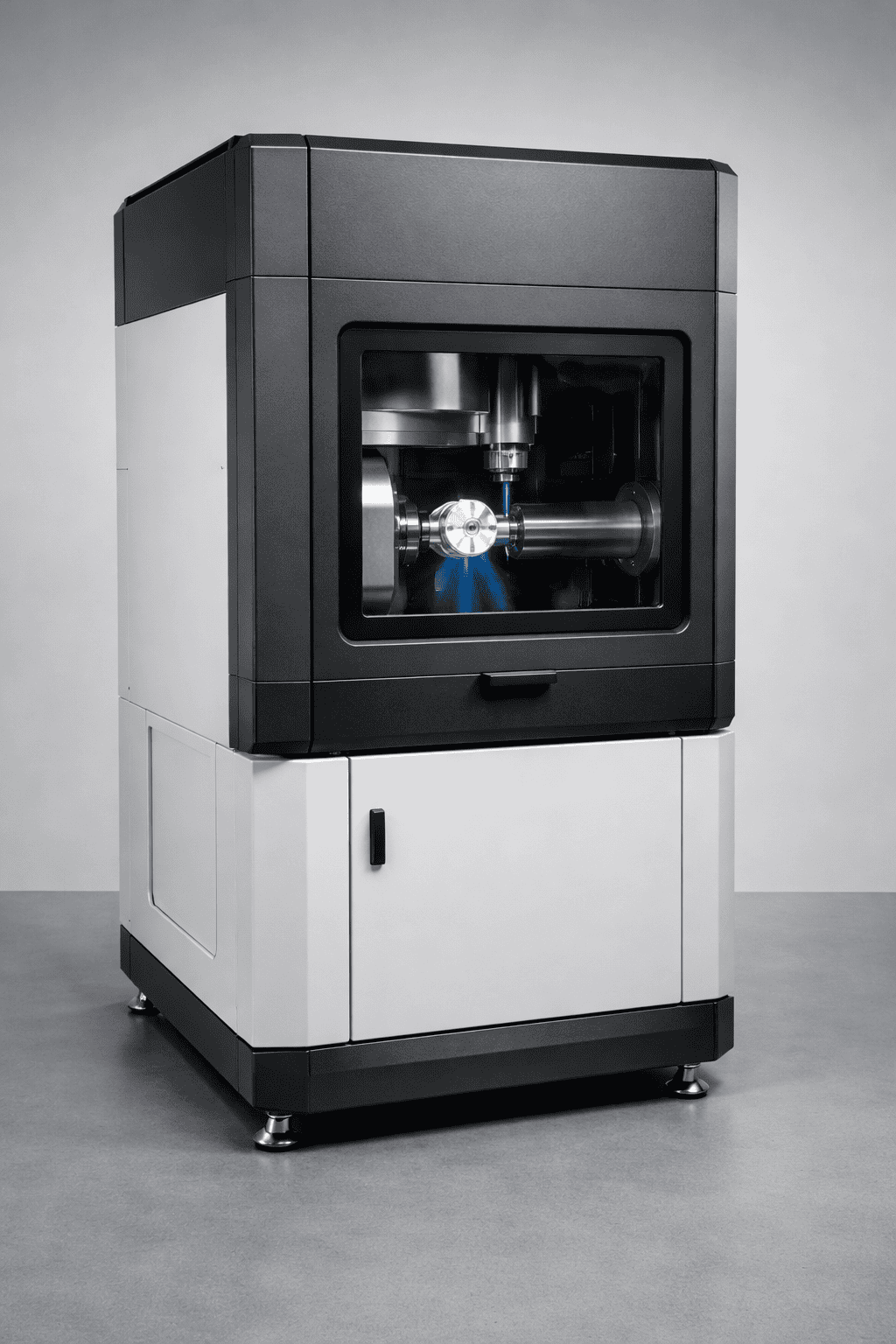
The Art of Aesthetics dental laboratory utilizes advanced 5-axis CNC milling technology to precisely fabricate restorations with high accuracy, consistent margins, and optimal surface integrity for predictable clinical outcomes.
Shade Communication and Aesthetic Accuracy
Clinical Photography for Shade
Accurate shade and surface characterization cannot be reliably communicated through written prescriptions alone. Clinical photography provides critical visual data that guides the laboratory in reproducing natural esthetics. Lighting conditions significantly influence color perception—natural light offers more accurate shade representation compared to operatory lighting, which can distort hue and value. Advanced techniques such as cross-polarization help eliminate surface glare, revealing true chroma and internal tooth structure. High-quality images capture incisal translucency, texture, and subtle characterizations that are often missed in standard shade selection. Consistent photographic protocols reduce guesswork, improve communication, and significantly decrease remakes. In cosmetic and anterior cases, photography is not optional—it is an essential component of predictable aesthetic outcomes.

Natural Light vs Operatory Lighting
Natural light provides more accurate color representation, while operatory lighting can distort shade perception, leading to mismatches between the restoration and natural dentition.
Cross-Polarization for True Color Capture
Cross-polarized photography eliminates surface reflections, allowing accurate visualization of internal tooth color, chroma, and structural details critical for aesthetic restorations.
Capturing Translucency and Characterization
Detailed images reveal incisal translucency, texture, and unique features, enabling precise replication and reducing remakes by improving communication between dentist and laboratory.
Complete Digital Case Submission
Dental Lab Communication Workflow
Effective digital workflows depend on complete and structured case communication. An STL file alone is not sufficient to convey clinical intent. Accurate outcomes require a combination of digital impressions (STL), high-quality clinical photographs, and clear written instructions. This integrated approach provides the laboratory with essential information on margin location, shade, texture, occlusion, and patient-specific considerations.
Incomplete communication leads to assumptions, delays, and increased back-and-forth between the clinic and laboratory. Each missing element introduces uncertainty and extends turnaround time. By submitting a complete digital case package upfront, dentists reduce clarification requests and allow technicians to proceed with confidence.
Streamlined communication improves efficiency on both sides. Cases move faster through design and production, chairside adjustments are minimized, and overall predictability is significantly improved. In digital dentistry, communication quality directly determines workflow efficiency and clinical success.
Why Structured Workflow Improves Outcomes
A structured digital workflow reduces variability and improves consistency across all restorative cases. When each step—from scanning to CAD design and manufacturing—is standardized, the likelihood of errors decreases significantly. Complete data capture, proper margin exposure, and controlled design parameters lead to predictable fit and function.
Fewer remakes result from eliminating guesswork. Clear communication, verified data, and defined protocols allow the laboratory to produce restorations that require minimal adjustment. This directly improves clinical efficiency and patient experience.
Efficiency is also enhanced at scale. A structured workflow reduces unnecessary back-and-forth, shortens turnaround time, and allows both the clinic and laboratory to operate more predictably. This becomes critical in full-arch and complex cosmetic cases, where small inconsistencies can compound into major issues.
Ultimately, a disciplined digital workflow transforms isolated steps into a coordinated system, delivering reliable outcomes, improved productivity, and long-term consistency in restorative dentistry.
Why Choose The Art of Aesthetics
The Art of Aesthetics operates as a fully integrated digital dental laboratory with a disciplined workflow from data acquisition to final restoration. We do not rely on assumptions or incomplete data. Every case is evaluated with a focus on margin integrity, occlusion, contact strength, and material performance. Our team works with structured protocols that prioritize accuracy, consistency, and clinical predictability.
We support dentists using all major intraoral scanning systems, ensuring seamless file integration without workflow disruption. Combined with advanced CAD design and industrial-grade 5-axis milling, our process delivers restorations with precise fit and minimal adjustment. Clinical photography, detailed case communication, and optional 3D model verification further enhance outcomes.
This is not a generic digital workflow. It is a controlled, high-precision system designed to reduce remakes, improve efficiency, and support long-term clinical success in both single-unit and complex full-arch cases.
iTero Scanner Integration
Seamless compatibility with iTero systems allows direct STL or proprietary file workflows, supporting accurate data transfer and efficient case processing without conversion issues.
3Shape TRIOS Integration
Full integration with TRIOS scanners ensures high-resolution data capture and smooth digital communication, enabling precise design and predictable restorative outcomes.
Medit Scanner Integration
Compatible with Medit scanners for open STL workflows, providing flexibility while maintaining accuracy in margin capture and case submission.
CEREC Scanner Integration
Supports CEREC workflows for efficient data transfer and collaboration, allowing laboratories to refine and optimize restorations beyond chairside limitations.
VivaScan Integration
Compatible with VivaScan systems, supporting efficient STL-based workflows with accurate data capture and seamless transfer. Enables precise margin visualization and consistent integration into advanced CAD/CAM design and milling processes.
All Major Digital Scanner Systems
We accept files from all leading intraoral scanners, ensuring flexibility, compatibility, and consistent results regardless of the digital system used in your practice.