
How to choose the right digital scanner
Which Digital Scanner Should You Choose
Choosing a digital intraoral scanner involves evaluating accuracy, workflow compatibility, and long-term clinical consistency. While multiple systems are available, the right decision depends on how the scanner integrates into your practice and aligns with your dental laboratory.
Working with an iTero dental lab can influence this decision, as workflow integration, communication, and consistency play a critical role in achieving predictable restorative outcomes.
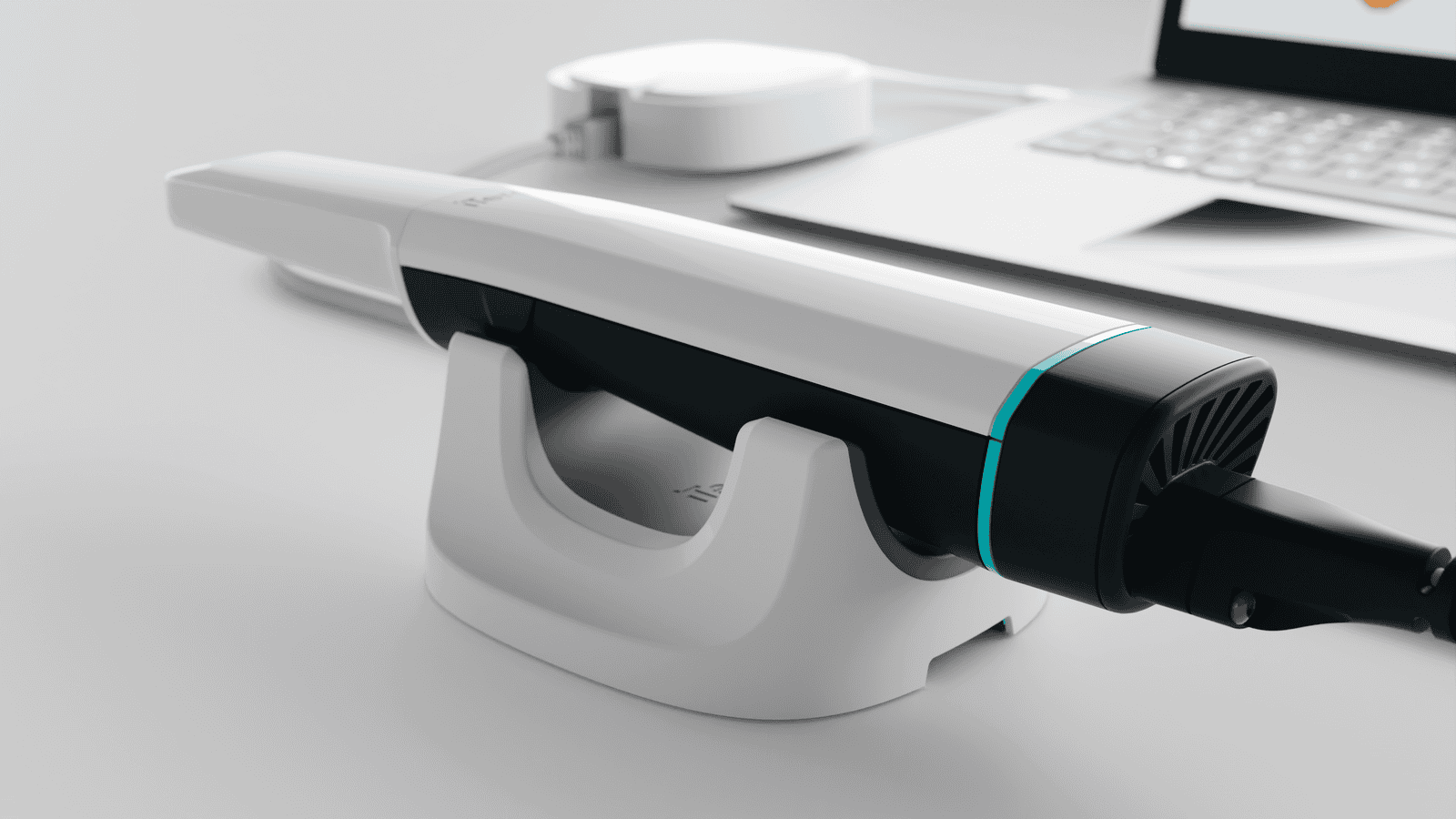
Key Factors to Consider When Choosing a Scanner
Selecting a digital intraoral scanner requires evaluating how the system performs within your clinical workflow, not just its technical specifications. Key factors include accuracy of data capture, speed of scanning, and ease of use for both the clinician and staff. These elements directly impact efficiency, consistency, and overall case quality.
Equally important is how the scanner integrates with your dental laboratory. A system that aligns with a consistent iTero dental lab workflow can improve communication, reduce variability, and support more predictable restorative outcomes.
Other considerations include software reliability, long-term support, and how easily the system can be adopted into daily practice. The goal is to choose a scanner that not only performs well technically but also supports a stable, efficient, and consistent workflow over time.
Performance factors that directly impact daily workflow
Accuracy, Speed, and Ease of Use
The effectiveness of a digital intraoral scanner is defined by how accurately it captures data, how quickly scans can be completed, and how easily the system can be used in daily practice. Image quality, patient comfort, and compatibility with systems such as Invisalign also play a critical role in overall performance and clinical efficiency.
Accuracy and Image Quality
High-resolution imaging ensures that margins, contacts, and occlusion are captured clearly and without distortion. Superior image quality improves how digital data is interpreted by the laboratory, supporting more precise restorations and better overall outcomes.
Speed, Patient Comfort, and Workflow Efficiency
Fast scanning reduces chair time and improves the overall patient experience. Smaller scanner tips, smoother scanning motion, and reduced need for rescanning enhance comfort while maintaining efficiency throughout the appointment.
Ease of Use and System Compatibility
An intuitive interface allows clinicians and staff to adopt the system quickly and consistently. Compatibility with platforms such as Invisalign and integration with an iTero dental lab workflow ensures that the scanner supports both clinical and laboratory processes without disruption.
Understanding system flexibility and integration
Open vs Closed System Considerations
Choosing between an open or closed intraoral scanning system affects how data is shared, integrated, and managed within your workflow. Open systems allow scan files to be exported and used across multiple laboratories and platforms, offering flexibility in how cases are designed and processed. This can be beneficial for practices seeking broader compatibility and control over their digital data
Closed systems, on the other hand, operate within a defined ecosystem, where data flows through a structured and controlled workflow. While this may limit external flexibility, it often provides stronger integration, more consistent communication, and a streamlined user experience.
When working with an iTero dental lab, a closed system can offer advantages in workflow alignment and predictability. The integration between scanner, software, and laboratory allows cases to move efficiently through a unified system, supporting consistent and reliable restorative outcomes.
Alignment between scanner and laboratory workflow
Integration with Your Dental Lab
Seamless Case Transfer and Communication
Digital scanners should integrate smoothly with your dental lab, allowing cases to be transferred instantly and without data loss. Efficient communication reduces delays and ensures that clinical details are clearly understood from the beginning of each case.
Consistency in Laboratory Workflow Integration
Integration is not only about file transfer, but about how the laboratory interprets and processes the data. A consistent iTero dental lab workflow ensures that each case follows the same protocols, improving predictability and reducing variability.
Compatibility with Laboratory Systems and Software
The scanner must align with the laboratory’s software and design systems. Compatibility ensures that data is processed accurately without conversion issues, preserving scan quality and maintaining efficiency throughout the workflow.
Reduced Errors Through Direct Integration
Direct integration minimizes errors caused by file conversion, incomplete data, or unclear case details. A connected system allows the laboratory to receive accurate information, reducing the need for corrections or additional communication.
Faster Case Processing and Turnaround
When scanner and laboratory systems are aligned, cases move through the workflow more efficiently. This improves turnaround time and allows restorations to be completed and delivered with greater speed and consistency.
Long-Term Stability with a Dedicated Laboratory
Working with a dedicated iTero dental lab provides long-term stability in how cases are managed. Consistent integration ensures that workflows remain predictable, supporting reliable outcomes across all restorative cases.
Understanding the full cost beyond the initial purchase
Total Cost of Ownership
The total cost of ownership for a digital intraoral scanner extends beyond the initial purchase price. Practices must consider ongoing expenses such as software subscriptions, service and support agreements, maintenance, and potential upgrade cycles. These recurring costs can significantly impact the long-term financial commitment associated with owning and operating a scanner.
In addition to direct expenses, ownership introduces operational considerations. Staff training, workflow integration, and maintaining consistent scan quality all require time and resources. Without proper alignment between the scanner and the laboratory, inefficiencies can arise, affecting both productivity and clinical outcomes.
When evaluating total cost, it is important to consider how the scanner integrates with your dental lab. A system aligned with a consistent iTero dental lab workflow can reduce inefficiencies, improve case acceptance, and support more predictable results, helping offset long-term operational costs.
Adoption, support, and long-term usability
Training, Support, and Learning Curve
The successful implementation of a digital intraoral scanner depends on how quickly and consistently the clinical team can adopt the system. Training, ongoing support, and ease of use directly impact workflow efficiency and scan quality. A scanner that is intuitive and well-supported reduces variability and allows the team to operate with confidence.
Beyond initial training, long-term support is essential to maintain performance. Updates, troubleshooting, and workflow guidance all contribute to consistent results. When aligned with an iTero dental lab, training and support extend beyond the device, ensuring that both scanning and laboratory processes remain consistent over time.
Ease of Training and Staff Adoption
A user-friendly scanner allows clinicians and staff to learn quickly and perform consistently. Shorter training time reduces disruption to daily operations and helps maintain efficiency as the team integrates digital workflows into routine practice.
Ongoing Technical Support and System Reliability
Reliable technical support ensures that issues are resolved quickly and workflow interruptions are minimized. Regular updates, maintenance, and access to support resources help maintain consistent scanner performance over time.
Consistency Through Workflow Alignment
Training is most effective when combined with a consistent laboratory workflow. Working with an iTero dental lab ensures that scanning techniques, case submission, and design interpretation are aligned, reducing variability and improving long-term results.
Comparing leading systems in today’s digital dentistry market
Comparing Leading Intraoral Scanner Options
iTero (Align Technology)
iTero scanners are known for strong integration within a closed, controlled ecosystem. They offer direct compatibility with Invisalign and seamless connectivity with iTero dental labs, supporting a structured workflow. The system prioritizes consistency, communication, and predictability, making it a strong choice for practices focused on integrated digital and orthodontic workflows.
3Shape TRIOS
TRIOS is a widely used open-system scanner known for flexibility and high-quality imaging. It allows easy export of STL files and compatibility with multiple labs and software platforms. TRIOS is often chosen by practices that value versatility and control over how their digital data is used across different workflows.
Medit
Medit scanners are recognized for affordability and open-system flexibility. They provide solid performance with no mandatory subscription fees, making them attractive for cost-conscious practices. Medit integrates with various lab systems but may require more workflow management to maintain consistency.
Carestream Dental (CS Series)
Carestream scanners offer user-friendly interfaces and reliable performance, with a balance between open workflow flexibility and integrated features. They are designed for ease of use and straightforward adoption, supporting practices looking for a stable and accessible digital solution.
Planmeca Emerald
Planmeca scanners focus on integration within a broader digital dental ecosystem, including imaging and CAD/CAM solutions. They provide solid scanning performance and are often selected by practices already using Planmeca systems for a more unified digital environment.
Dentsply Sirona (Primescan)
Primescan is known for high-speed scanning and strong image quality, particularly for full-arch cases. It operates within the Dentsply Sirona ecosystem, offering a comprehensive digital workflow. Practices using CEREC systems often choose Primescan for its integration and performance capabilities.
When iTero May Be the Right Choice
iTero may be the right choice when a practice prioritizes workflow integration, consistency, and direct compatibility with Invisalign. Unlike open systems that require coordination across multiple platforms, iTero operates within a controlled ecosystem, allowing seamless communication between the scanner, software, and laboratory.
This becomes especially valuable when working with a consistent iTero dental lab. Cases move through a defined workflow with minimal friction, reducing variability and improving predictability across restorative outcomes.
Practices focused on efficiency, clear communication, and long-term stability often benefit from this level of integration. The ability to streamline case submission, maintain consistent design interpretation, and support orthodontic workflows within the same system makes iTero a strong option for practices seeking a more controlled and predictable digital environment.
Choosing Based on Your Practice Goals
The right digital intraoral scanner depends on how your practice operates and what you prioritize in your workflow. Practices focused on flexibility and working with multiple laboratories may prefer open systems, while those seeking consistency, integration, and streamlined communication may benefit from a more structured approach.
Your clinical focus also plays a role. Restorative-driven practices may prioritize accuracy and repeatability, while those incorporating orthodontics may require compatibility with systems such as Invisalign. Efficiency, ease of use, and staff adoption should also be considered to ensure smooth integration into daily operations.
Working with a consistent iTero dental lab can further influence this decision. A scanner that aligns with your laboratory workflow supports better communication, reduces variability, and helps maintain predictable outcomes over time.